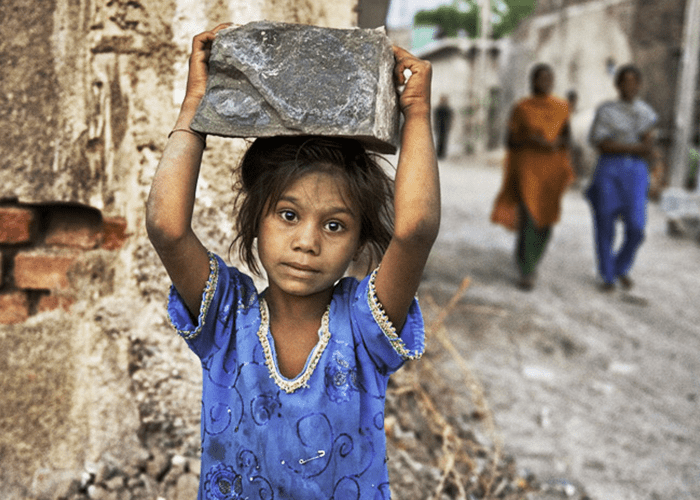
The Punjab Education Department has issued strict orders to ensure all children engaged in labor are enrolled in schools. This directive aims to bring out-of-school children into the formal education system. District Education Authorities have received instructions to coordinate with the Labor Department to identify these children, including those working at workshops, hotels, and other locations, for admission.
According to the order, orphaned and underprivileged children must be enrolled without delay. For older children, the department has made provisions for afternoon classes so they can continue their studies. To guarantee regular attendance and monitor progress, the Punjab Education Department has ordered strict oversight across the province. Chief Executive Officers, Deputy CEOs, and Assistant Education Officers are tasked with ensuring the notification’s full implementation.
This initiative follows the “Punjab Free and Compulsory Education Rules, 2024,” as referenced in a notification from the School Education Department dated May 5, 2025. Rule 14 of these rules states that “Private School shall admit disadvantaged children in every class equal to ten percent of the total strength of each class and shall not charge any admission fee, tuition fee, security charges or capitation fee.” This rule provides a clear mechanism for the admission of disadvantaged children, a category that includes those previously engaged in labor.
Past government efforts have also focused on this issue. An International Labour Organization news report from August 25, 2015, detailed an enrollment campaign for children of brick kiln workers. A Minister for Labour at the time was quoted saying, “The Government Punjab will provide free education, school bags and books to the brick kiln children enrolled in schools under this initiative.” That effort was supported by a stipend for families to help with the transition. A similar program was launched in May 2016 which provided families with a monthly stipend through Khidmat Cards.
The current directive builds on these previous policies, emphasizing direct admission into schools for all working children. It is a concerted effort to combat child labor and fulfill the constitutional commitment to provide free and compulsory education for all children.