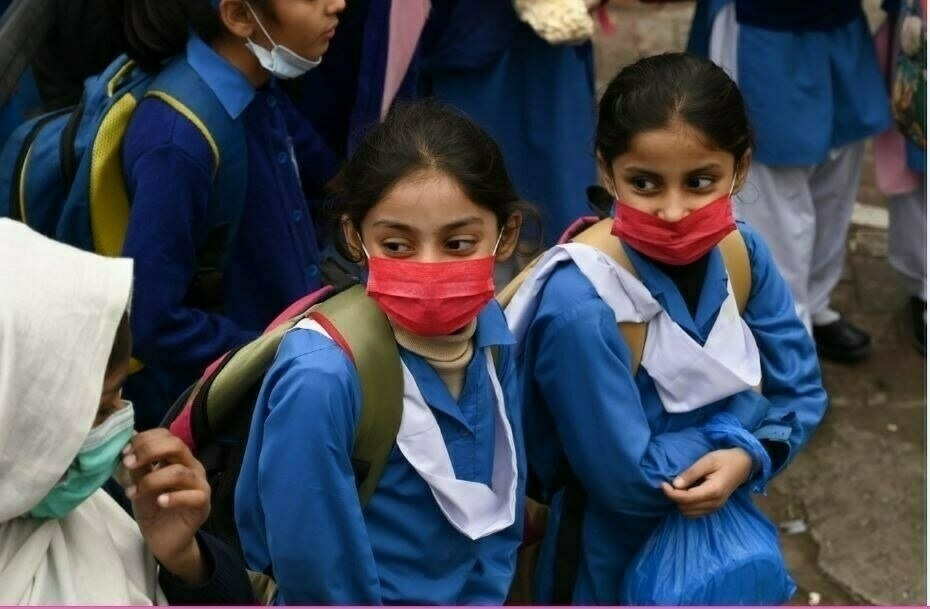
The Ministry of Planning, Development and Special Initiatives has released the findings of the Household Integrated Economic Survey (HIES) for 2024 to 2025. This document marks a significant update in the educational statistics of the country. Federal Minister Ahsan Iqbal officially launched the report on Thursday, revealing that the total number of children out of school has decreased to approximately 20 million. This new figure reflects a revision from the previous estimate of 25.3 million and is based on the updated population data from the 2023 digital census.
The survey indicates that the proportion of children not attending school has dropped from 30 percent to 28 percent. While this shows progress, the gender gap and regional disparities remain stark. According to the data, one out of every four boys is out of school, while for girls, the ratio is one out of every three.
Provincial Breakdown of Out-of-School Children
The report provides a detailed look at how different regions are performing in their efforts to enroll more children.
- Balochistan: This province saw the most significant improvement, with the out-of-school rate falling from 59 percent to 45 percent.
- Sindh: The ratio in this province decreased from 42 percent to 39 percent.
- Khyber Pakhtunkhwa: The government here reduced the rate from 31 percent to 28 percent.
- Punjab: Progress in this province has stalled, as the ratio remained unchanged at 21 percent.
Factors Driving the Educational Gap
The HIES 2024 to 2025 findings suggest that 20 percent of these children have never stepped foot inside a classroom, while the remaining 8 percent dropped out after initially enrolling. Several key factors contribute to these high numbers:
- Financial Constraints: Many families report that education is too expensive for their current household budgets.
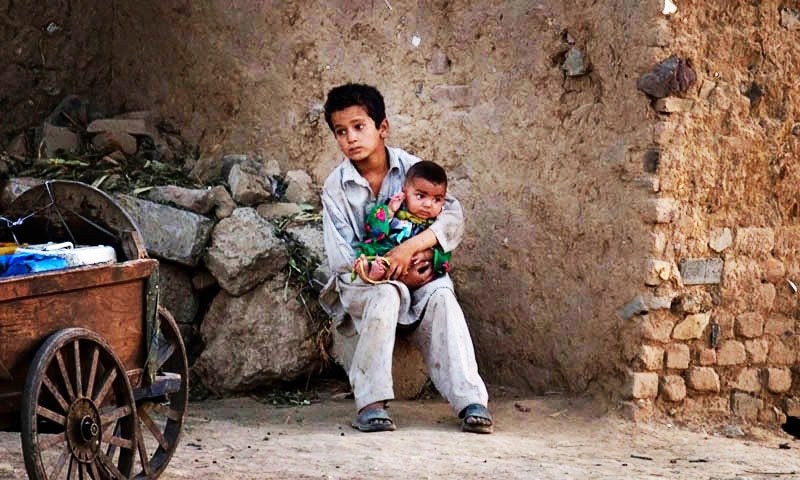
- Economic Pressure: Four out of every ten boys who leave school do so because they must take odd jobs to help support their families.
- Family Restrictions: Girls often leave the education system due to financial limitations or family unwillingness to continue their schooling.
- Food Insecurity: The survey also linked low educational outcomes to rising food insecurity, which has doubled in provinces like Balochistan over the last six years.
Official Statements and National Goals
During the launch ceremony, Planning Minister Ahsan Iqbal expressed a mix of optimism and urgency regarding the nation’s future. He noted that while literacy has risen from 60 percent to 63 percent, these small gains are not enough to sustain high economic growth.
“The marginal improvement in social indicators is unsatisfactory and Pakistan cannot grow with 63% literacy rate,” stated Ahsan Iqbal.
The Minister also highlighted that the country must aim to raise its education participation rate to 90 percent. This goal aligns with the “Education Emergency” declared by Prime Minister Shehbaz Sharif in May 2024. The federal government has since introduced a National Challenge Fund worth 25 billion PKR to support provincial efforts in reducing dropout rates and improving early childhood education.
The report serves as a call for reflection for policymakers. Although the reduction to 20 million children is a step forward, the high cost of living and the impact of inflation continue to threaten the right to education for millions of Pakistani youth.