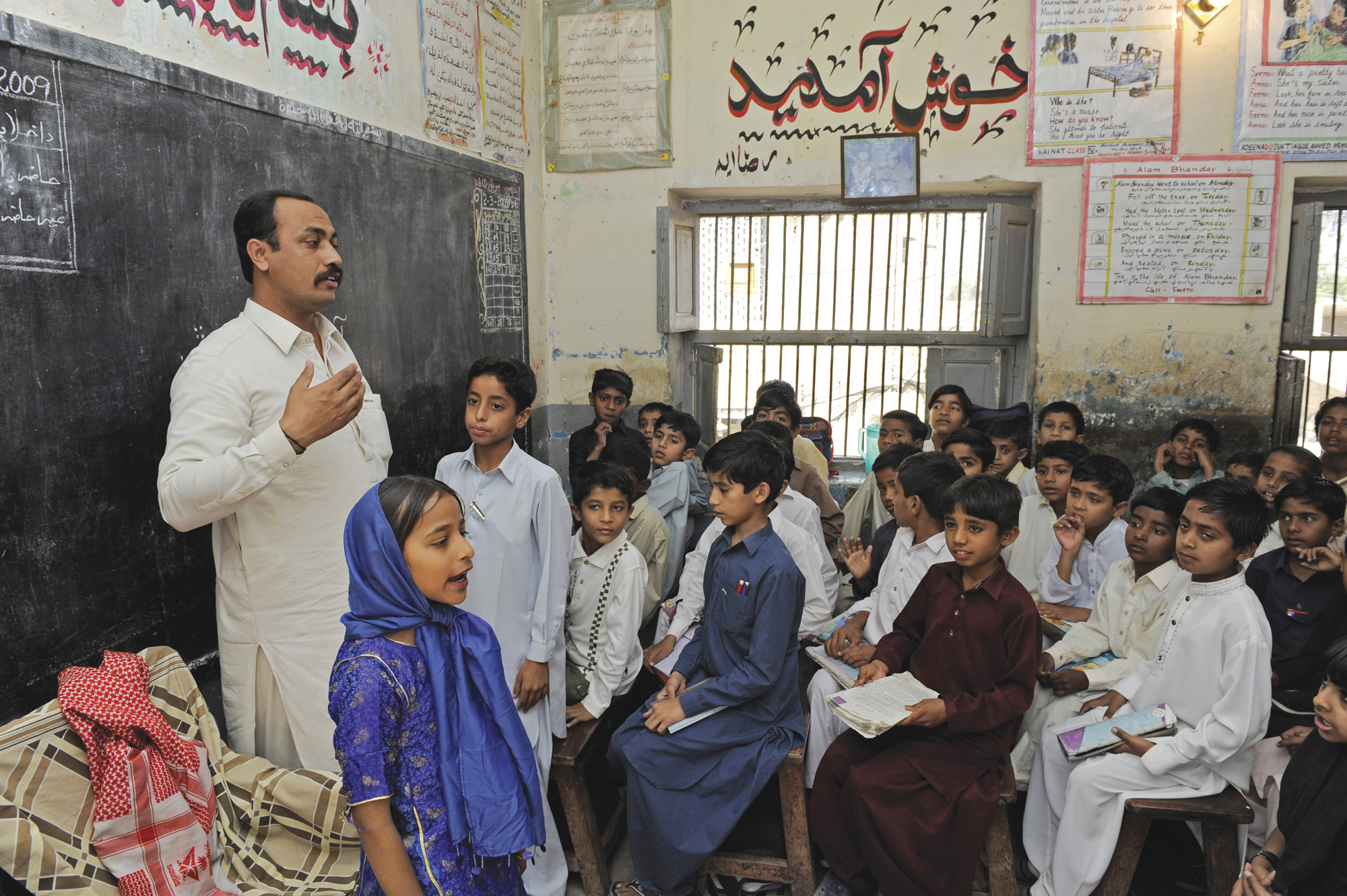
Islamabad: The government of Pakistan is preparing to introduce strict measures aimed at penalizing teachers in public educational institutions who maintain active affiliations with political and religious parties. This move, a direct response to concerns over the politicization of education, seeks to uphold the integrity and impartiality of the teaching profession.
While there is no formal, nationwide public announcement from a central government body on this specific topic as of late, recent developments at the provincial level and a general discourse within educational circles suggest a concerted effort to curb such influence. Sources within the School Education Department of Punjab, for instance, have indicated that disciplinary actions, including suspensions, have been initiated against educators for their involvement in political discussions and activities.
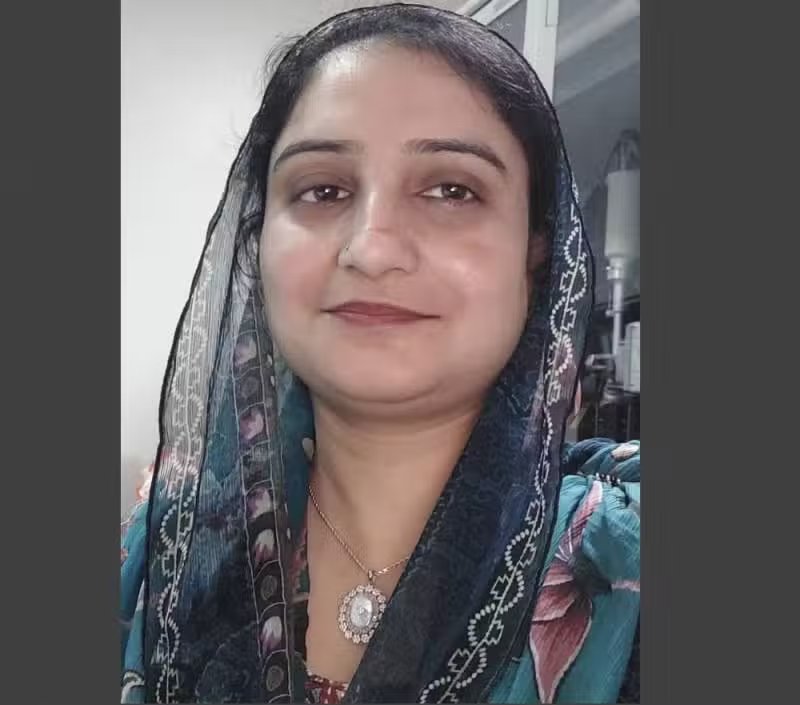
A directive from the Rawalpindi District Education Authority (DEA), with approval from the Rawalpindi commissioner, has already banned political and religious debate in educational institutions and government offices. This has led to the suspension of at least two female teachers, with an inquiry underway. While some teacher and clerical organizations have protested the ban, the administration remains firm on its stance, emphasizing the need for a neutral and focused academic environment.
The government’s rationale is rooted in the belief that political and religious partisanship among teachers can compromise the quality of education and instill biases in students, hindering the development of a harmonious and objective learning environment. The move is also seen as a step to counter the historical issue of political influence in the education sector, which has been cited in various studies as a major impediment to educational progress in Pakistan.
The policy is expected to address long-standing challenges, such as politically-motivated transfers and appointments, and the misuse of school resources for political rallies or party gatherings. By distancing the education system from sectarian and political agendas, authorities hope to foster a culture of merit, professional development, and academic excellence.
This initiative follows other recent government efforts to reform the education sector, including the prohibition of private tuitions for government school teachers in Punjab and the introduction of a new recruitment policy aimed at ensuring merit-based selection. The government’s push for teacher accountability and professionalism appears to be gaining momentum across different provinces.
The coming days are expected to bring more clarity on the precise nature of the penalties and the implementation framework for this new policy, which could range from warnings and demotions to suspension and dismissal from service, depending on the severity of the violation. The effectiveness of this policy will, however, be contingent upon its transparent and impartial enforcement.