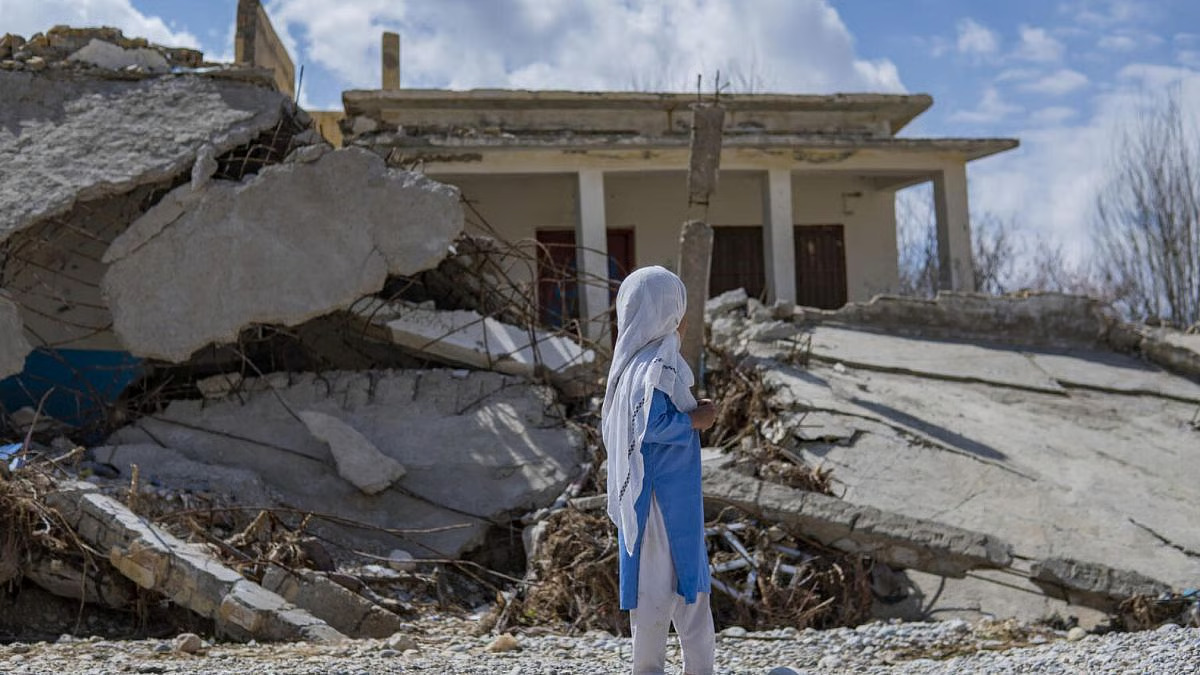
DADU, Sindh: A recent government assessment has confirmed that 214 school buildings in a key flood-ravaged district of Sindh are officially unfit for use. This declaration of structural unsafety follows the unprecedented 2022 monsoon floods and subsequent torrential rains that devastated the province. The closure of these educational facilities is disrupting the learning process for thousands of students and exacerbating the existing education emergency in rural Sindh.
The finding underscores the slow pace of rehabilitation almost three years after Sindh was declared the worst-affected province by the catastrophe. According to officials, the 214 schools are part of a larger cohort assessed to be in imminent danger of collapse, particularly during any future rainfall event.
Scale of the Educational Disaster
The post-flood damage assessment revealed a systemic failure of infrastructure, primarily affecting districts bordering the Kirthar range, such as Dadu, Kamber Shahdadkot, and Jamshoro.
Data collected by the Sindh Education Foundation (SEF) following the 2022 floods illustrates the sheer magnitude of destruction:
- Total Schools Affected: 19,808 schools across Sindh sustained damage.
- Completely Unusable: 7,503 schools were rendered “completely unusable.”
- Partially Damaged: 12,305 schools were designated “partially damaged.”
An official from the provincial government’s Planning Development and Research (PDR) department, speaking to Dawn about the earlier crisis, clarified the assessment criteria used for the buildings.
The official stated:
“These assessments, designed with technical assistance from Unicef and the World Bank (WB) classified ‘schools suffering over 40pc quantum of damage as fully destroyed, while those with less damages were deemed partially damaged.’”
In the specific context of Dadu, which suffered prolonged inundation, the 214 declared unsafe schools represent an immediate threat to student safety.
Challenges to Continued Learning
The crisis extends beyond structural integrity. The loss of school buildings forces children into substandard learning environments, driving up dropout rates.
- Temporary Facilities: Students from these unsafe schools are often shifted to makeshift Tent Learning Centers (TLCs) or are forced to hold classes under the open sky, which is unsustainable, especially during high temperatures or recurring monsoon seasons.
- Resource Deficiency: Many schools that remained functional in severely affected areas like Dadu still lack fundamental infrastructure. The Economic Survey of Pakistan (2025) highlights grave deficiencies across Sindh’s public schools:
- 69% lack electricity.
- 43% have no toilets.
- 42% lack access to drinking water.
- Psychological Impact: Educational continuity is severely compromised. A student in Dadu, quoted by The Express Tribune following the initial floods, reflected the community anxiety, describing the struggle to focus on studies when the building itself is damaged.
Government Response and Required Action
The Sindh School Education and Literacy Department (SELD), through its Reform Support Unit (RSU), has acknowledged the pressing need for reconstruction. Funds have been released, and reconstruction work has been initiated in several flood-affected areas under the Sindh School Education Improvement Project (SSEIP) Additional Financing framework.
According to recent SELD notifications, efforts are focused on:
- Reconstruction of schools in flood-affected districts, including Dadu, Kamber Shahdadkot, and Larkana.
- Upgradation and rehabilitation of damaged infrastructure to restore functionality.
However, parents and activists continue to call for accelerated action. The situation requires that the government prioritize rapid reconstruction and comprehensive rehabilitation to ensure that these 214 unsafe buildings do not result in permanent educational loss for a generation of children. The integrity of the provincial education system depends on swiftly removing this threat to safety and learning.